ESG Integration in Pakistan’s Real Estate Sector: Climate Reality, Investment Risk, and the Path to Resilient Urban Growth
By ESG Nexus 7 min read
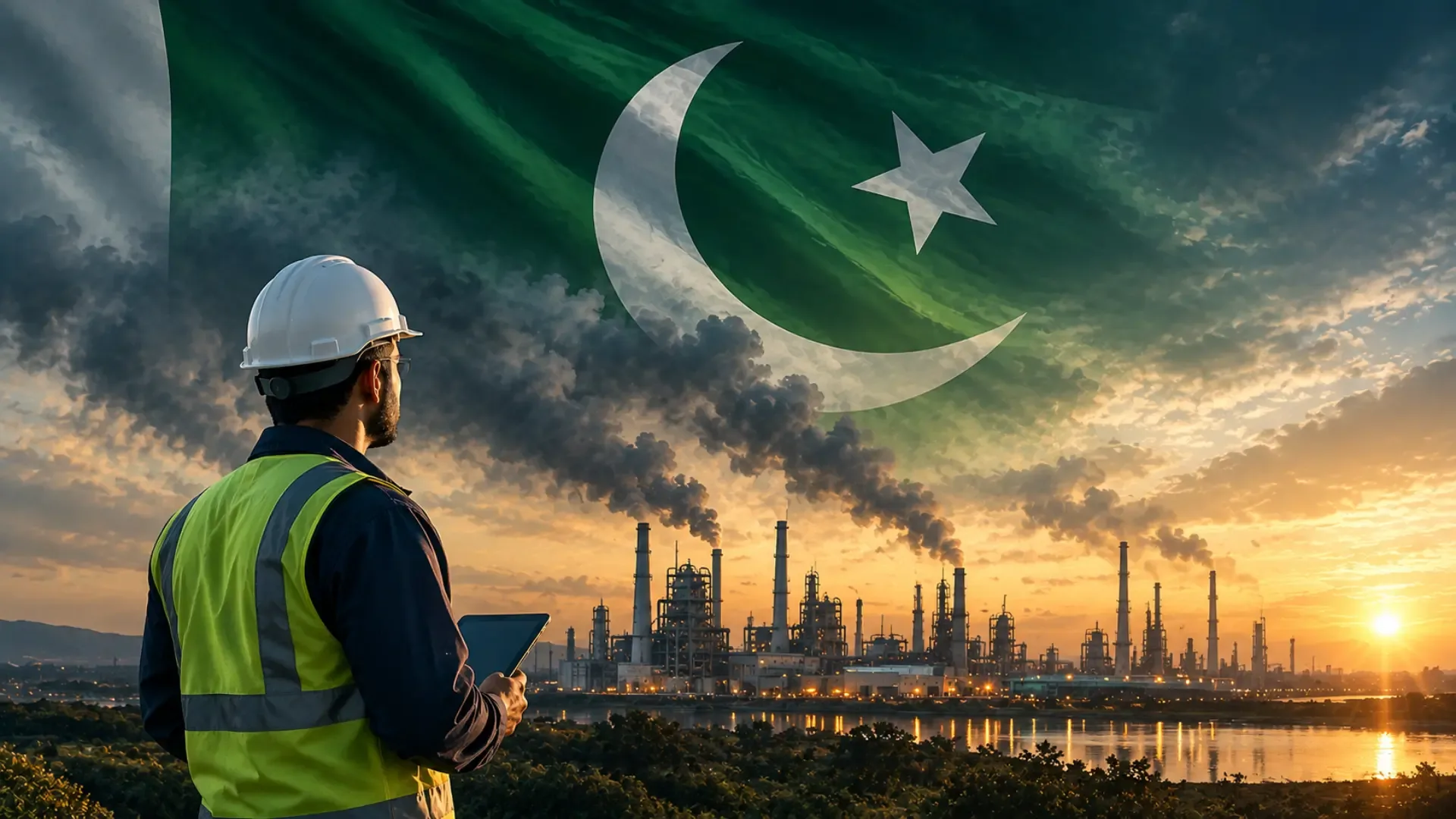
Pakistan’s real estate sector is no longer operating in a stable environmental or economic backdrop. Over the past decade, the country has experienced repeated climate-related shocks that have directly exposed the vulnerability of its cities, infrastructure, and built assets. Large-scale flooding, prolonged droughts, extreme heatwaves, and growing water stress have moved climate change from a future concern to a present-day operational risk.
The devastating floods of recent years displaced millions, damaged housing stock, disrupted urban services, and revealed critical weaknesses in land use planning, drainage systems, and construction practices. At the same time, recurring drought conditions and heat stress have intensified pressure on water and energy systems, particularly in urban centers. These events are not isolated. They are signals of a structural shift in risk that real estate investors, developers, lenders, and regulators can no longer afford to overlook.
Against this backdrop, Environmental, Social, and Governance (ESG) integration is emerging as a necessary framework for real estate decision-making in Pakistan. It offers a way to translate climate reality, social demand, and governance discipline into investment strategies that protect asset value, enhance resilience, and support sustainable urban development.
In short, ESG is becoming less about aspiration and more about survival, credibility, and long-term performance.
Why ESG Integration Is Now a Strategic Imperative for Pakistan’s Real Estate Market
Real estate assets are inherently long-lived. A poorly planned development can lock in environmental inefficiency, social stress, and governance risk for decades. In Pakistan’s current context, this reality carries heightened consequences.
Climate Risk Is Now Investment Risk
Flooding, heatwaves, and water scarcity directly affect:
Structural integrity of buildings
Operating costs and insurance availability
Tenant safety, comfort, and retention
Regulatory scrutiny and reputational exposure
Developments that ignore climate resilience increasingly face asset devaluation and operational disruption. ESG integration provides a structured way to assess and mitigate these risks early, rather than reacting after damage occurs.
Capital Is Becoming ESG-Selective
Global and regional investors are applying ESG filters more rigorously. For Pakistan, this means that real estate projects lacking transparency, sustainability, and governance discipline face growing difficulty in attracting long-term capital.
Conversely, projects aligned with ESG principles signal maturity, risk awareness, and international compatibility.
Environmental Integration: Designing Real Estate for Climate Reality, Not Historical Assumptions
Environmental integration sits at the core of ESG for Pakistan’s real estate sector, particularly because climate conditions are changing faster than legacy building practices.
Energy Efficiency as a Structural Necessity
Pakistan’s persistent energy shortfalls make inefficient buildings economically unsustainable. ESG-aligned developments prioritize:
Passive cooling and heat-resilient design
High-performance insulation and glazing
Efficient HVAC systems and smart controls
On-site renewable energy where feasible
These measures reduce grid dependency, stabilize operating costs, and improve occupant comfort, especially during peak heat periods.
Water Stress and Flood Resilience
Water is both scarce and destructive in Pakistan’s climate context. ESG-driven real estate addresses this dual risk through:
Rainwater management and drainage planning
Water-efficient fixtures and reuse systems
Flood-resilient site selection and elevation design
Importantly, these measures protect not only the asset but also surrounding communities, reducing downstream damage and conflict.
Long-Term Environmental Performance and Asset Durability
Environmental integration improves asset lifespan. Buildings designed for current and future climate conditions age better, require fewer retrofits, and retain market relevance longer. From an investor’s perspective, this durability directly supports long-term value preservation.
Social Integration: Responding to Urban Pressure, Livability, and Inclusion
Pakistan’s cities are expanding rapidly, often without corresponding infrastructure capacity. Real estate development, therefore, plays a decisive role in shaping social outcomes.
Livability as a Value Driver
ESG-aligned projects recognize that livability is not a soft concept. It influences demand, pricing, and occupancy stability. Key considerations include:
Ventilation, daylight, and thermal comfort
Access to green and communal spaces
Pedestrian connectivity and safety
In dense urban environments, these factors differentiate resilient developments from those that deteriorate quickly.
Inclusive Development and Housing Access
Housing affordability remains a critical challenge. ESG integration encourages developers to consider diverse income groups and flexible housing models. Over time, inclusive developments benefit from broader demand bases and reduced political and regulatory friction.
Community Alignment and Social License to Operate
Projects that disregard local context often face delays, resistance, or reputational damage. Socially integrated developments, by contrast, are more likely to gain community acceptance, easing approvals and enhancing long-term stability.
Governance Integration: Restoring Trust and Reducing Structural Risk
Governance is the most underappreciated yet most decisive ESG pillar in Pakistan’s real estate sector.
Transparency and Documentation Discipline
Weak documentation and opaque ownership structures remain a major deterrent for serious investors. ESG-driven governance emphasizes:
Clear land titles and ownership disclosure
Ethical procurement and contractor oversight
Structured decision-making and audit trails
This transparency reduces legal risk and strengthens investor confidence.
Regulatory Alignment and Ethical Conduct
As regulatory scrutiny increases, governance failures become costly. Projects with strong governance frameworks are better prepared to comply with evolving environmental, tax, and disclosure requirements.
Investor Confidence and Cost of Capital
From a financial standpoint, governance quality influences risk perception. Lower perceived risk translates into improved access to financing and more favorable capital terms, particularly for large or long-tenor projects.
Strategic Implications for Pakistan’s Real Estate Ecosystem
When ESG integration is approached systematically rather than selectively, its impact extends well beyond individual buildings or portfolios. In Pakistan’s context, where real estate intersects directly with climate vulnerability, urban pressure, and investor confidence, ESG acts as a structural stabilizer for the entire ecosystem.
Reframing Risk in a Climate-Exposed Market
To begin with, ESG fundamentally changes how risk is identified and priced in real estate. Flood exposure, heat stress, water availability, and infrastructure resilience are no longer external variables. They become core investment considerations.
Developments that integrate ESG principles early are better positioned to:
Withstand climate-related disruptions with lower repair and recovery costs
Maintain operational continuity during extreme weather events
Preserve asset value in areas increasingly exposed to environmental stress
Over time, this reframing of risk supports more accurate valuations and discourages speculative development in high-risk zones that impose long-term economic costs on cities.
Strengthening Capital Access and Investor Confidence
Equally important, ESG integration directly influences capital flows. International investors, development finance institutions, and ESG-aligned funds increasingly require evidence of environmental resilience, social responsibility, and governance discipline.
For Pakistan’s real estate sector, this means that ESG-aligned projects are more likely to:
Meet international due diligence standards
Attract patient, long-term capital rather than short-term speculative inflows
Secure financing on more stable and predictable terms
In effect, ESG becomes a signaling mechanism. It communicates market maturity, regulatory awareness, and risk preparedness to global capital markets.
Supporting Sustainable Urban Growth at Scale
At the city level, ESG-aligned real estate contributes to more coherent urban development. Rather than fragmented, infrastructure-straining projects, ESG integration encourages:
Efficient land use and density planning
Alignment with transport, utilities, and public services
Reduced environmental externalities imposed on surrounding communities
This alignment lowers the long-term fiscal burden on local authorities while improving urban functionality and livability.
Enhancing Regulatory Alignment and Policy Effectiveness
From a governance perspective, ESG-ready developments are better equipped to align with evolving regulations related to environmental compliance, taxation, disclosures, and urban planning.
This alignment delivers two critical benefits:
Reduced enforcement friction and approval delays
Improved policy implementation outcomes without excessive administrative burden
In practice, ESG integration supports a more collaborative relationship between regulators and market participants.
Creating Durable, Investable Assets Across Market Cycles
Finally, ESG integration enhances asset durability. Buildings that are energy-efficient, socially aligned, and well-governed are less vulnerable to:
Regulatory shocks
Demand volatility
Reputational risk
As a result, these assets tend to retain occupancy, relevance, and value even during economic downturns or environmental stress events. For investors and developers alike, this durability translates into improved risk-adjusted returns over the long term.
Why This Matters for Pakistan Now
Pakistan’s real estate sector stands at a crossroads. Continuing with business-as-usual development practices risks compounding environmental, social, and fiscal pressures. ESG integration, by contrast, offers a pathway to disciplined growth that aligns private investment with national resilience.
In this sense, ESG is not merely a framework for better projects. It is a foundation for a more stable, credible, and investable real estate market.
Conclusion: ESG as the Foundation of Climate-Resilient Real Estate in Pakistan
Pakistan’s exposure to climate disasters has made one reality clear: real estate development can no longer rely on outdated assumptions. ESG integration offers a practical, investment-oriented framework for responding to environmental risk, social demand, and governance expectations simultaneously.
For developers, investors, and financiers, ESG is increasingly shaping asset performance, capital access, and long-term resilience. Projects that embed energy efficiency, social functionality, and governance discipline are better positioned to withstand climate stress, regulatory change, and market volatility. Those that do not face rising operational, financial, and reputational risk.
At ESG Nexus, Pakistan’s first government-approved ESG platform, we support businesses in translating ESG from intent into implementation. Through structured ESG advisory, reporting, and compliance support, we help organizations protect asset value, strengthen investor confidence, and build real estate portfolios that remain credible in a climate-exposed economy.
The future of Pakistan’s real estate market will favor assets designed for resilience, governed with transparency, and aligned with long-term societal needs. ESG is no longer a choice. It is the foundation of real estate that lasts.